Advanced Aesthetic Trends and Artistic Concepts in Current Dance Floor Wrap Styles
Wiki Article
Cutting-edge movements in contemporary floor coverings have redefined the way studios and venues handle flooring design. Floor coverings are no longer just practical materials; they are an essential part of the aesthetic and functional environment for performers. New developments in material technology, such as high-traction vinyl and flexible overlay layers, provide both durability and safety while allowing for complex designs and color variation. Specialists are incorporating interchangeable solutions that enable quick setup and removal, accommodating versatile spaces and minimizing long-term maintenance costs. These trends reflect a strong focus on functionality paired with visual appeal, rendering floor coverings both useful and visually engaging.
Creative influences in contemporary floor designs have appeared from various design fields, including architecture, graphic design, and interior decoration. Geometric shapes, visual effects, and dynamic shading patterns are now frequently used to floor coverings to create immersive settings that enhance choreography. These designs are crafted not only to catch the eye but also to support the dancer’s orientation, assisting performers maintain alignment and orientation during advanced movements. LSI terms such as layout planning, visual depth, and motif cycles highlight the technical factors that guide these innovative concepts. By borrowing influence from varied creative disciplines, creators are producing wraps that combine artistry with utility.
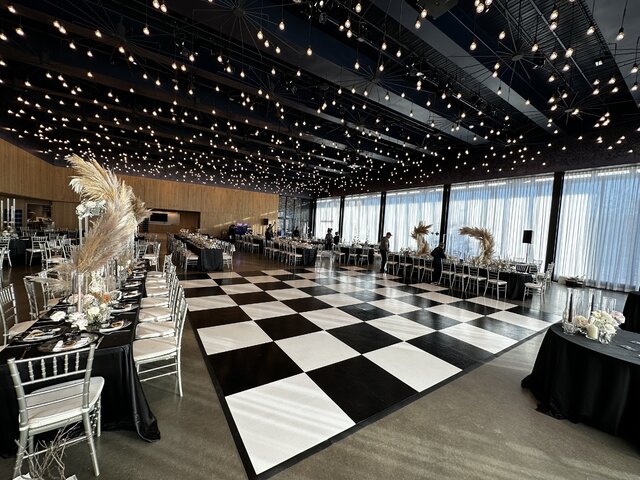
Protection and effectiveness remain essential aspects in the development of modern floor coverings. Innovative padding layers and non-skid finishes are being incorporated to reduce the chance of accident during jumps, turns, and lifts. These safety features are often combined with detailed visual designs, demonstrating that safety enhancements do not need to compromise visual appeal. Many studios are opting for floor coverings that are moisture-resistant and easy to clean, maintaining hygiene standards are upheld without reducing aesthetic impact. The balance between protection and design quality underscores the original source the importance of expertise in crafting floor coverings for dance spaces.
Sustainability and adaptability are growing key considerations in the creation of modern dance floor wraps. Eco-friendly materials, including recycled polymers and low-VOC finishes, are increasingly applied to reduce environmental impact while maintaining performance standards. Additionally, modular wrap systems enable spaces to change designs and palettes periodically or for specific performances, offering flexibility that extends the lifespan of the flooring. Keywords such as eco-conscious design, adaptable surfaces, and modular flooring illustrate how environmental consciousness and practical flexibility are driving the current developments. This strategy corresponds with broader movements in space planning and event planning that value both usability and environmental care.
Finally, the incorporation of technical innovation has brought new opportunities for inventive dance floor wrap designs. Advanced printing, precision cutting, and integrated illumination features allow for tailored designs and responsive elements. These innovations can produce impactful effects that respond to movement, improving the complete performance experience for performers and viewers alike. By merging engineering with artistic expression, modern dance floor wraps provide a unique their explanation platform for artistic exploration in dance environments. The development of these floor coverings demonstrates the interaction of material science, design innovation, and artistic inspiration, setting new standards for contemporary dance environments.